Youth's Lives Every Day
The first time I called a suicide hotline, I was laying on the floor of my childhood bedroom. Covered in rug burn and surrounded by empty food containers, I had nowhere else to turn. But this wasn’t an isolated moment of pain. By the time I called the hotline, the harm had been compounding for months.
Suicide prevention begins upstream — before the call comes in; before the darkness feels all-encompassing. It begins where many people spend their daily lives: online. The truth is, we cannot crisis-line our way out of an internet that is often actively harming the users most at risk. If we care about safety and prevention, we have to take digital spaces seriously as sites of both harm and care.
As Social Media Manager at The Trevor Project, the leading suicide prevention and crisis intervention organization for LGBTQ+ young people, this framing is personal to me. Owning the social media channels for our organization means stewarding online spaces that reach millions of queer and trans youth every day. Social media is often the first point of contact between our organization and youth in crisis. It’s also often the only place that queer and trans youth see themselves reflected safely and accurately.
Young people feel safe interacting with The Trevor Project on social media because we take digital interactions seriously. We lean heavily into community moderation, understanding the tone and meeting the moment, responding to crisis, setting boundaries, and being visible. All of it matters.
Online harms are suicide prevention issues, especially for LGBTQ+ young people. Hate speech is powerful, it funnels into further violence. Queer and trans folks, especially women, trans youth, and folks of color, are disproportionately targeted by online harassment, threats, doxxing, and coordinated digital abuse. This can contribute to further isolation, fear, and shame — all known risk factors for suicide.
That’s why it’s the responsibility of Social Media Managers like me to remember the human cost of online harm. When someone logs off because it’s unsafe, they don’t just lose a platform, they lose a community. For many, that online community is also a lifeline.
It’s the space where David* first reached out to The Trevor Project and was connected to our compassionate crisis workers. It’s where Beck* validated Xander* in the comment section. It’s where Georgia* shared her story on Instagram and encouraged her followers to reach out for support. She said, “The Trevor Project saved me many times…I am eternally grateful to them and their volunteers.”
The line between “I’ll just scroll past” and “I don’t belong anywhere” is thin and grey. No one should have to be resilient just to be online.
When we’re proactive instead of reactive, we can be intentional about building safer online communities right now. This means setting clear rules and boundaries on our platforms and consistently enforcing them. There should be no ambiguity about what harm looks like. Clear definitions of harm also ensure that content that is merely controversial, like LGBTQ+ content or discussion of mental health concerns, are not inappropriately suppressed.
Community moderation is community care. As moderators, our job is not to censor, but to steward our community to safety. Removing harmful content protects those communities we’ve built. When we refuse to intervene in the face of online hate, we are still making a choice to platform it.
We must also stay visible in the face of vitriol — actively uplifting queer and trans voices in moments of peace, not just moments of crisis. But being visible comes with a cost. That’s why taking breaks, going offline, muting, blocking, and stepping away from social media altogether is also a safe choice.
When I first called the suicide hotline, I didn’t have a safe online community to support me. Now, I know that suicide prevention doesn’t start with a ringing phone. It starts with the environments we build, on and offline.
At The Trevor Project, we know that our crisis services save lives. We also believe in creating digital spaces where people feel less alone before they reach crisis.
This Internet Safety Day, we have a choice: to continue to treat online harm as an inevitability of innovation, or take responsibility for the communities we shape on social media.
Safety isn’t just something we offer in moments of crisis. It’s something we forge, post by post, every day.
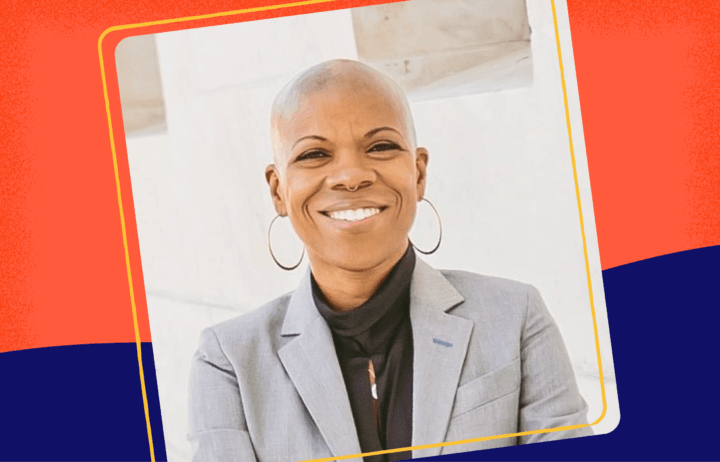
Leah Juliett (they/them/theirs) is the Social Media Manager at The Trevor Project, the leading suicide prevention and crisis intervention organization for lesbian, gay, bisexual, transgender, queer & questioning (LGBTQ+) young people.
*Names have been changed.