Youth's Lives Every Day
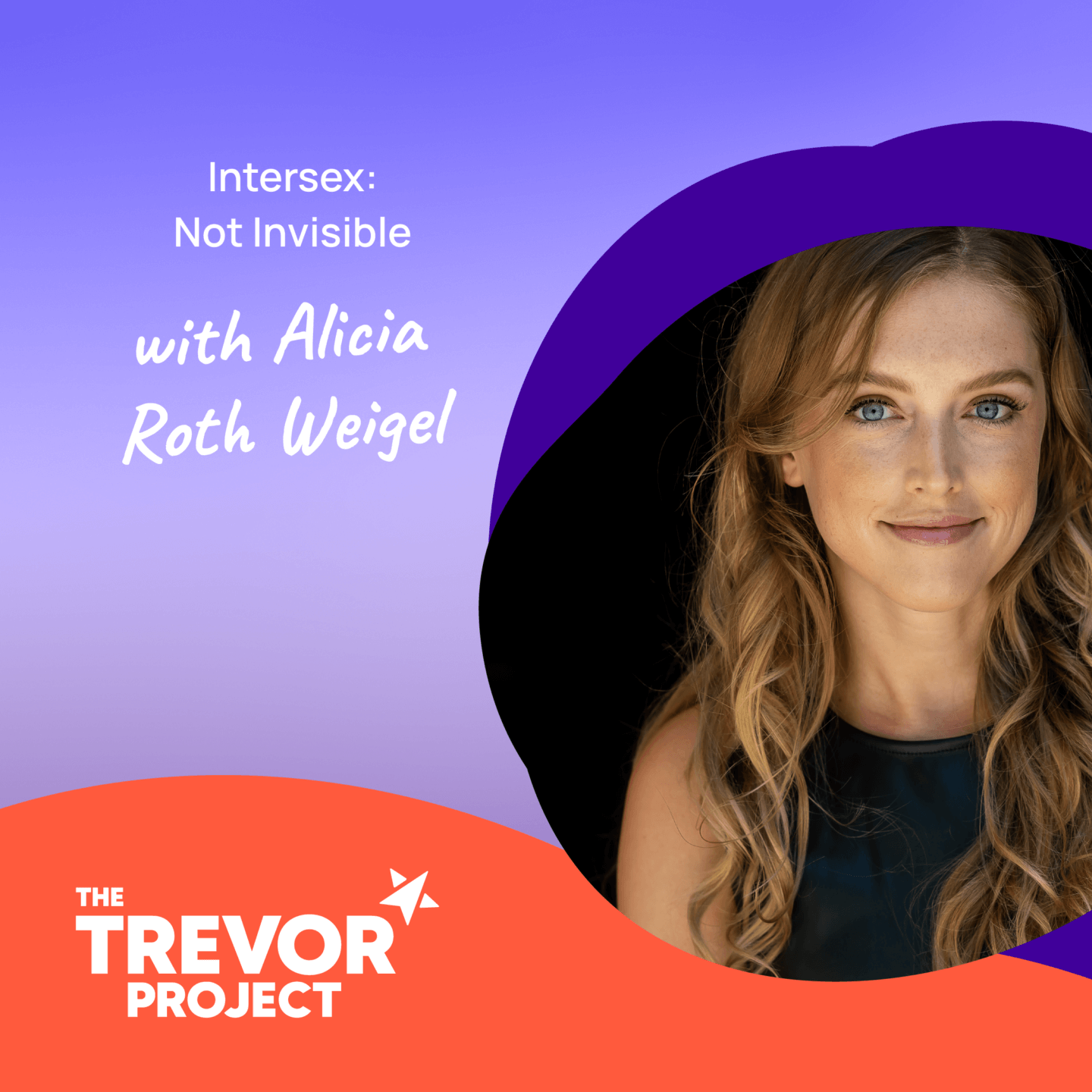
October 26 — Intersex Awareness Day — is a day meant for celebrating and advocating for the intersex community. “First and foremost,” intersex justice advocate and Texas Human Rights Commissioner Alicia Roth Weigel explained, “the ‘I’ in LGBTQIA doesn’t stand for ‘invisible’ — it stands for intersex.” But even with a prominent place in the identity alphabet, Alicia asserted that intersex individuals are still marginalized within the larger LGBTQ community, “pushed aside at the expense of the other letters.”
“The world needs to learn what intersex means,” she continued. Intersex is an umbrella term used to describe variations in physical sex traits or reproductive anatomy that are present at birth or emerge later in life, and differ from normative expectations of “male” and “female.” Medical erasure, systemic discrimination, and a lack of data collection have posed great challenges to the intersex community, so we don’t have an exact statistic, but it’s estimated that around 2% of the population is intersex. Thanks to the bravery, openness, and advocacy of intersex people, more is known about them and their unique experiences.
The Trevor Project’s latest report on the mental health of intersex LGBTQ young people revealed a diverse community: nearly half of intersex youth in our sample were people of color, and 69% of intersex youth identified as multisexual. It also revealed disproportionately severe mental health challenges compared to their non-intersex peers — most likely related to the long history of medicalization, pathologization, and medical mistreatment of intersex people.
Alicia spoke to some of this harm from her own experience: “When intersex people are born, society gets nervous that we’re going to be ostracized. That leads parents and doctors to enact surgeries on our bodies or make decisions about our identities before we’re even old enough to have a voice.” She posed definitive advice for allies of intersex individuals: “Let us be who we are until we voice that we have a problem with it. And if we do, guide us and support us through the process of making things better. Don’t make decisions for us without us.”
Intersex awareness and acceptance is crucial. Acceptance is a strong protective factor for reducing suicide risk for intersex young people; intersex youth with at least one parent who was accepting of their gender identity had 46% lower odds of attempting suicide in the past year. And when we give voice to the experiences of intersex people and actively support their identities and personhood, we do the work of combatting intersex erasure.
On the value of allyship for intersex folks, Alicia had this to say: “I’ve heard this weird misconception that intersex people don’t want to be included as part of the broader queer or LGBTQ plus community. We need all the help we can get. We need all the friends, all the family, all the allies.”
Sue Cardenas-Soto is a Copywriter at The Trevor Project, the world’s largest suicide prevention and mental health organization for lesbian, gay, bisexual, transgender, queer & questioning (LGBTQ) young people. If you or someone you know is feeling hopeless or suicidal, our trained crisis counselors are available 24/7 at 1-866-488-7386 via chat www.TheTrevorProject.org/Get-Help, or by texting START to 678-678.